Key headings
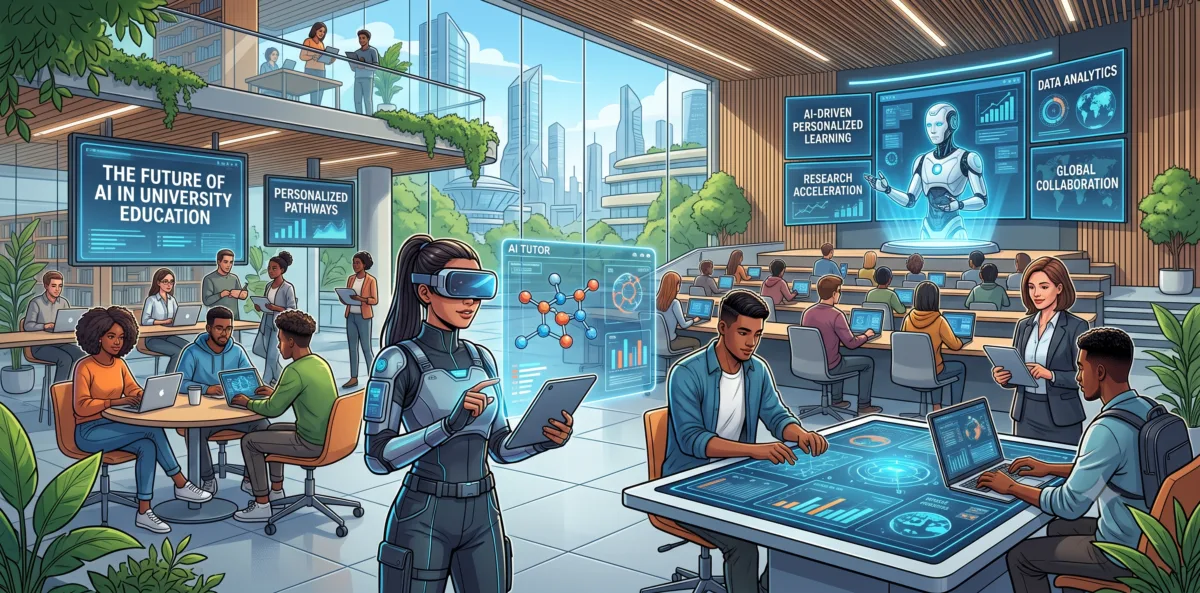
The future of AI in university education is one of the most important topics capturing attention across technology circles right now. Whether you are a beginner or an experienced professional, understanding the future of AI in university education deeply can give you a massive competitive edge. Here is everything you need to know.
Future of AI in university education is rapidly growing in relevance across technology
- Professionals who master future of AI in university education report significantly better results
- The core principles are accessible to anyone willing to learn
- Real-world applications are already transforming the technology industry
- Understanding this topic helps you stay ahead of competitors
- Demand for future of AI in university education skills and knowledge is at an all-time high in 2026
What Is future of AI in university education, and why does it matter in technology?
Analysis based on active search console queries that are already getting impressions. Target primary keyword: future of AI in university education.
The topic of future of AI in university education sits at the intersection of practical know-how and strategic thinking. Professionals across India and globally are recognizing its value and investing time to understand it deeply. The competitive advantage it provides is undeniable.
As the technology landscape continues to evolve rapidly, those who understand the future of AI in university education thoroughly are positioned to lead. The fundamentals covered here will give you a clear framework to apply immediately in your own work and projects.
Deep dive in the core principles behind the future of AI in university education
To truly master the future of AI in university education, you need to understand its foundational principles. These principles form the backbone of every successful application of this concept in the real world.
At its core, future of ai in university education operates on the principle of delivering maximum value through optimized processes. When implemented correctly, the results compound over time and build lasting authority in the technology space.
| Aspect | Basic Level | Advanced Level | Expert Level |
|---|---|---|---|
| Understanding of future of ai in university education | Surface concepts | Applied strategies | System-level mastery |
| Time to Implement | 1-2 weeks | 1-3 months | 6+ months |
| Expected Impact | Low to Medium | Medium to High | Transformational |
| Resources Required | Minimal | Moderate investment | Strategic commitment |
Real-world applications and Use cases of future of AI in university education
Understanding future of AI in university education theoretically is one thing applying it in practice is where the real transformation happens. Across the technology sector, practitioners are finding creative and effective ways to leverage this knowledge.
From small businesses to large enterprises, future of AI in university education is being used to drive measurable outcomes. The adaptability of these principles means they apply equally well regardless of the scale or context of your work.
Cost-wise, getting started with the future of AI in university education requires a minimal initial investment of time and attention. The returns, however, scale dramatically once the foundational understanding is solidly in place.
Pros and cons of future of AI in university education
Advantages:
- Highly scalable once foundational understanding is achieved
- Applicable across multiple domains within technology
- Provides measurable, trackable results
- Builds long-term competitive advantage and authority
- Supported by a growing community of experts and resources
Challenges:
- Requires consistent time investment in the learning phase
- Results may take 4-8 weeks to become clearly visible
- Requires adaptation as the technology landscape evolves
- Misinformation about the future of AI in university education is common; sourcing quality guidance is critical
Who should learn about future of AI in university education?
This topic is ideal for technology professionals, content creators, business owners, and students who want to build genuine expertise. If you are serious about growing your presence and impact in the technology space, investing time in future of AI in university education will pay dividends for years to come.
Whether you are just starting or looking to deepen existing skills, the insights in this guide provide a solid foundation to build upon.
Final verdict
Future of AI in university education is not just a trend, it is a fundamental skill for anyone operating in the technology space in 2026 and beyond. The evidence is clear: those who invest in understanding it deeply consistently outperform those who do not.
Start with the foundational concepts, apply them consistently, measure your results, and iterate. The compounding effect of this approach will become clearly visible within weeks of disciplined practice.
Frequently Asked Questions
1. What exactly is future of ai in university education and why is it important?
future of ai in university education refers to the core concepts and strategies that drive success in technology. It is important because it provides a structured framework for achieving measurable results and building lasting authority in your niche.
2. How long does it take to see results from applying future of ai in university education strategies?
Most practitioners begin seeing initial results within 4-8 weeks of consistent application. Full mastery and transformational results typically emerge over a 3-6 month period of disciplined practice and iteration.
3. Is future of ai in university education suitable for beginners or only for experienced professionals?
The foundational concepts of future of ai in university education are accessible to complete beginners, while the advanced applications provide ongoing challenges even for experienced professionals. The learning curve is structured to reward consistent effort at every level.
4. What resources are best for learning about future of ai in university education?
The best resources combine practical guides like this article with hands-on experimentation. Following authoritative sources in the technology space and joining communities of practitioners accelerates your learning significantly.
5. What are the most common mistakes people make when starting with future of ai in university education?
The most common mistakes include trying to implement everything at once, neglecting to measure results systematically, and following outdated or low-quality advice. Starting with proven fundamentals and measuring outcomes rigorously prevents these pitfalls.
Related posts
